Travel
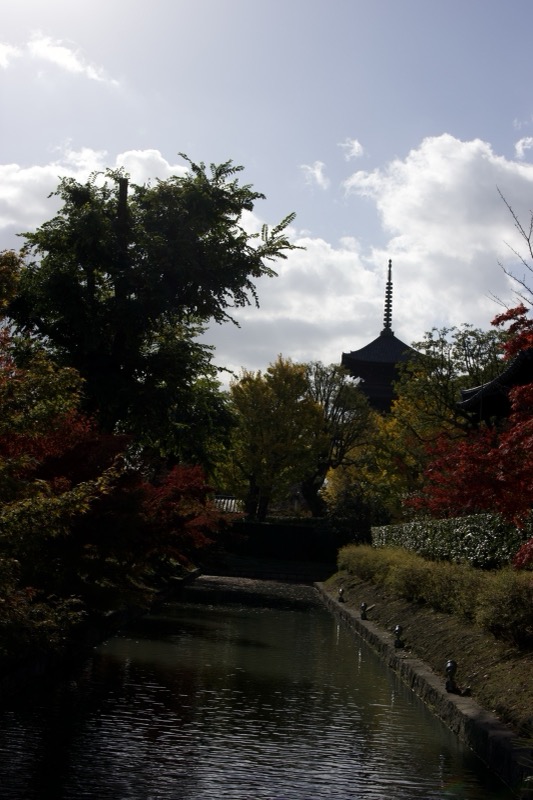
Koyo season, temple crowds, and why the most photogenic city in Japan is still worth the effort every single time.
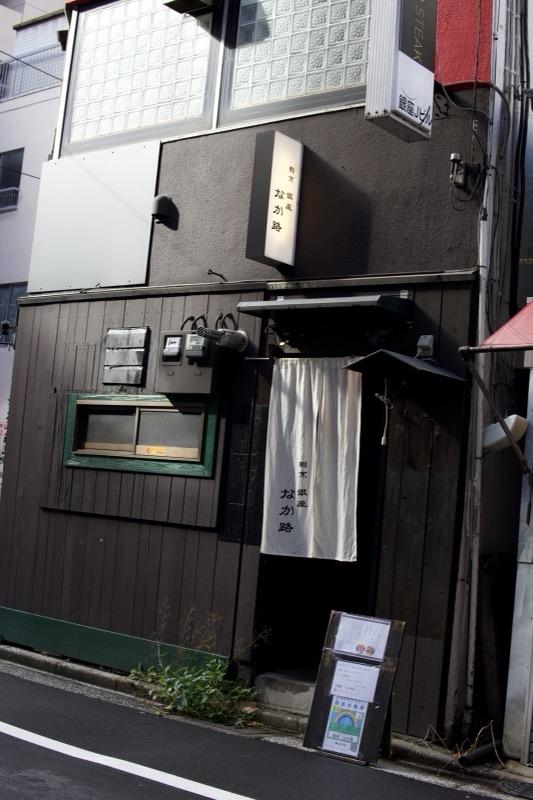
The fabric dividers hanging in Japanese doorways tell you more about a place than any guidebook. Here's how to read them.

Most people treat Nagoya as a blur out the train window. We got off and it turned out to be one of the best decisions of the trip.
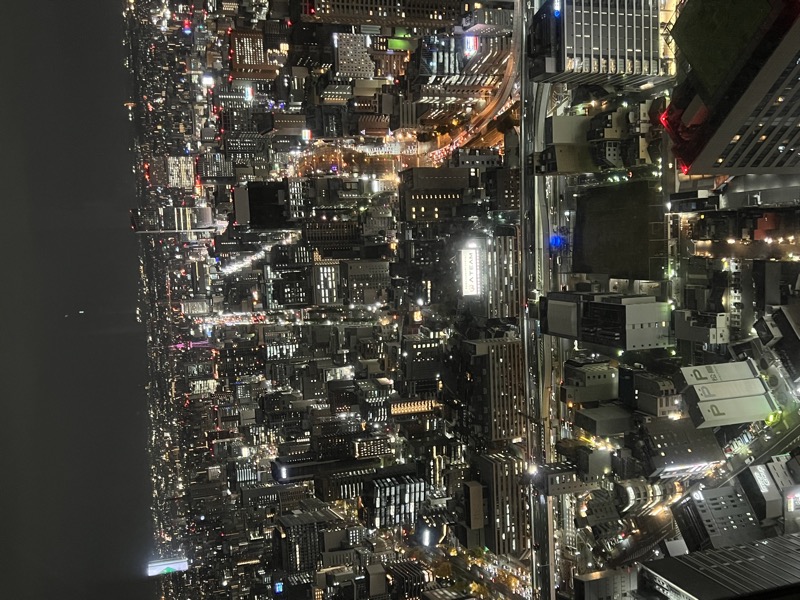
You understand Tokyo at street level. You understand its scale from above. The second one you can't get anywhere else.
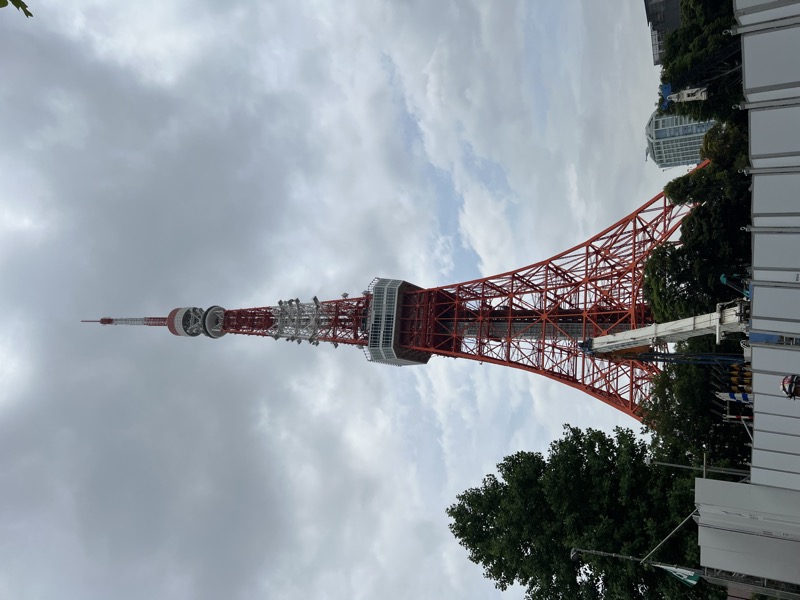
Skytree is taller. Shibuya Sky has the better outdoor deck. Tokyo Tower is still the one you can't stop looking at.
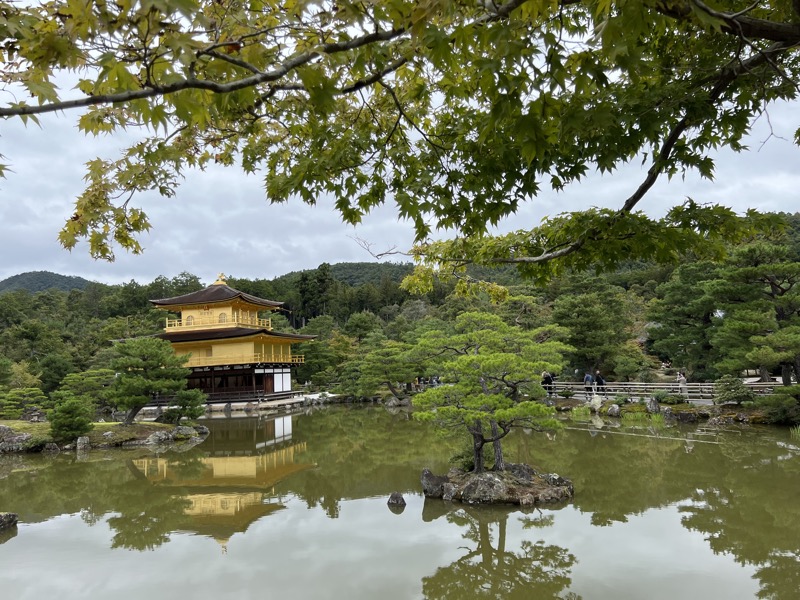
You've seen the photo so many times it almost doesn't feel real. Then you're standing in front of it and it's more striking than the photo ever made it look.
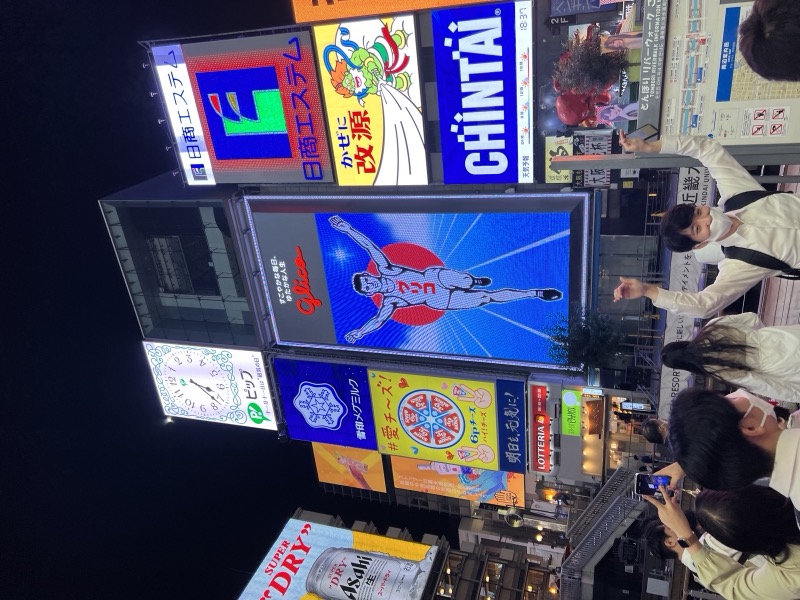
Osaka has a different energy to Tokyo — louder, more chaotic, less self-conscious. Dotonbori at night is where that energy concentrates.
Food
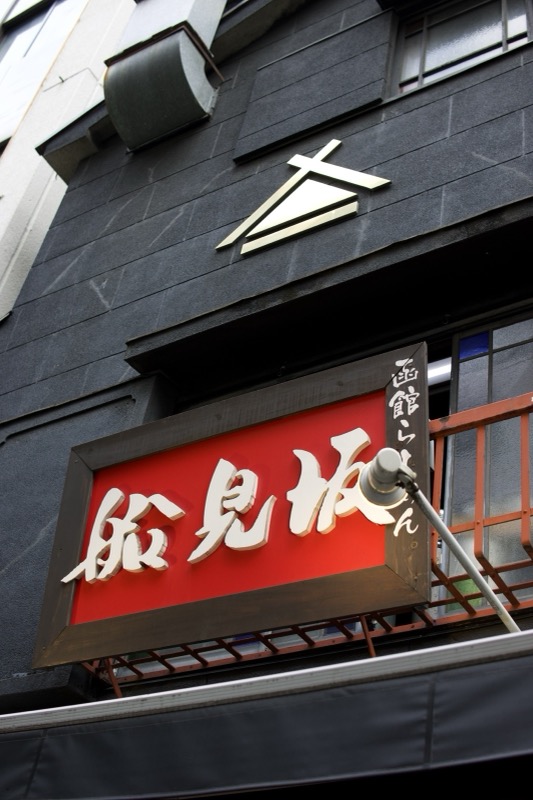
We have one simple heuristic for finding good ramen in a new city. It hasn't let us down yet.
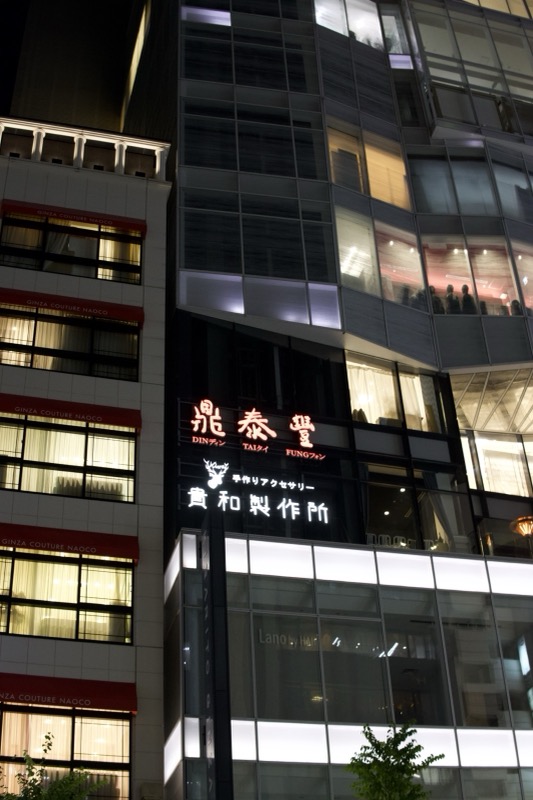
A Taiwanese chain, a Japanese queue, and the best soup dumplings we've eaten outside of Taipei.
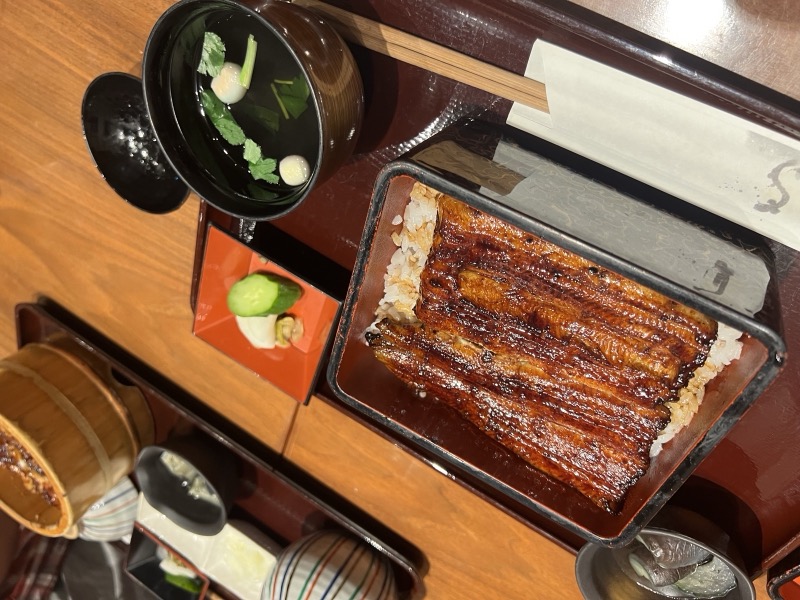
Grilled eel over rice sounds simple. At the right place in Tokyo, it's one of the best things you'll eat in Japan.
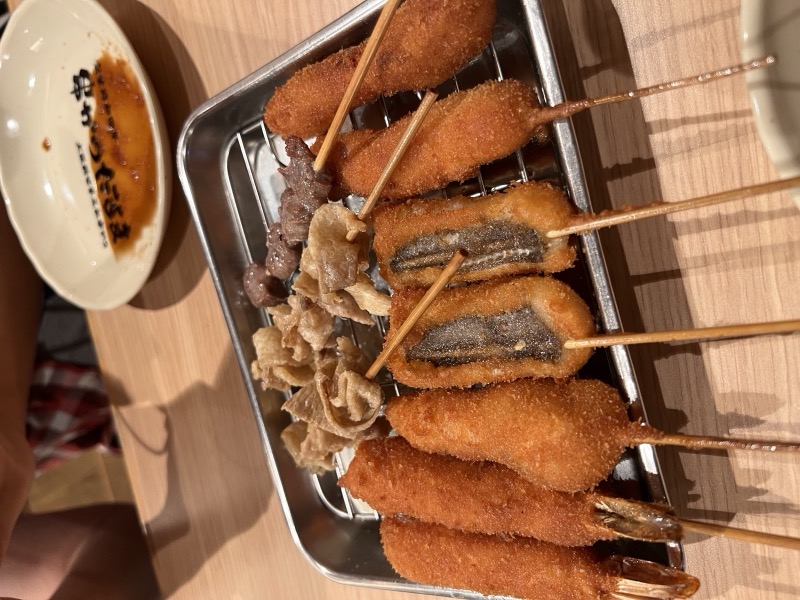
Osaka's signature dish — skewers of anything and everything, battered and fried — and the one golden rule you must never break.
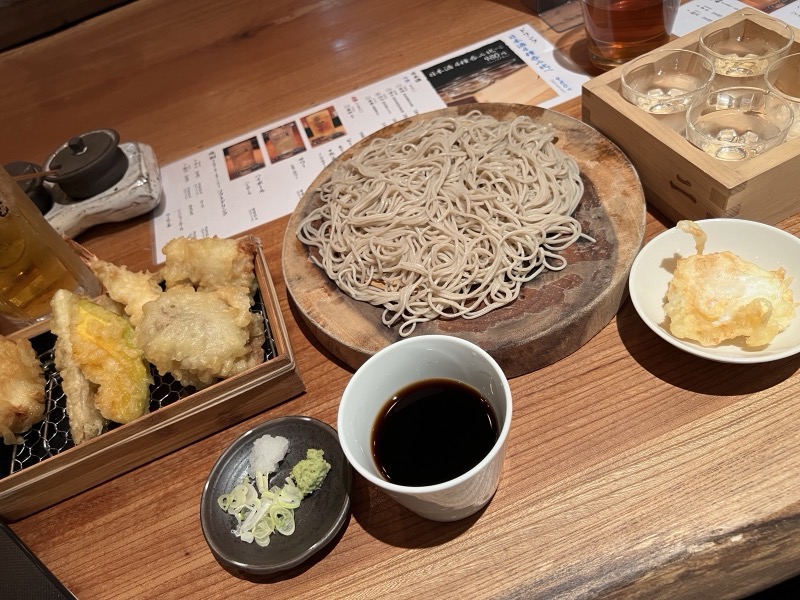
Kobe is famous for beef, but the soba we found on a back street might have been the better meal. Paired with sake, obviously.
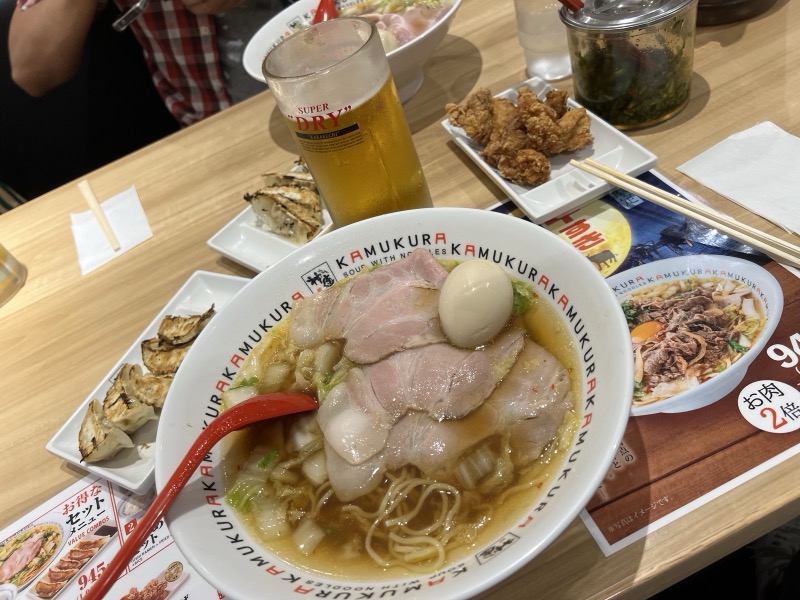
We have a rule about chain restaurants. Japan keeps making us break it. Kamukura was the most flagrant example.

There's a snobbery about conveyor belt sushi I held for too long. Then I ate at a good one in Tokyo and quietly dropped it.
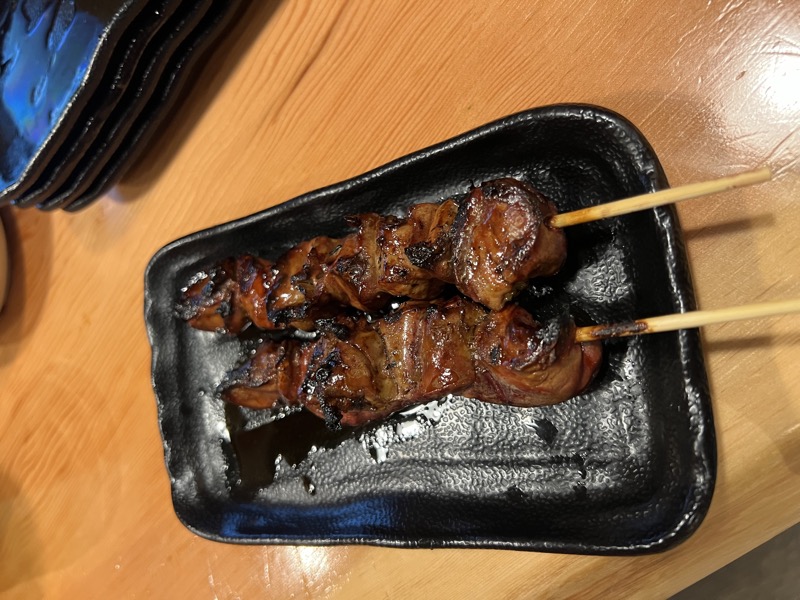
Back home a chicken skewer is an afterthought. In Japan it's a discipline. A good yakitori restaurant might do nothing else for forty years.
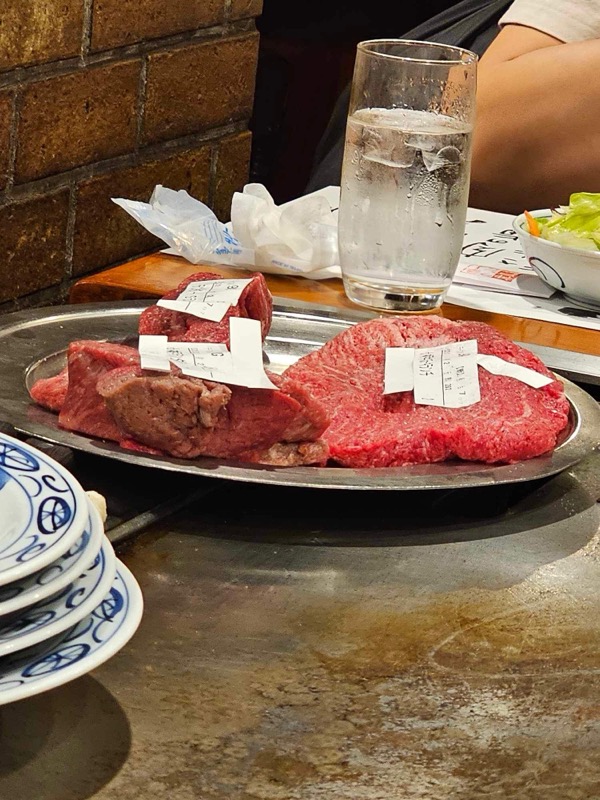
Yakiniku puts a grill in the table and lets you cook your own meat. It sounds like a gimmick. It isn't.
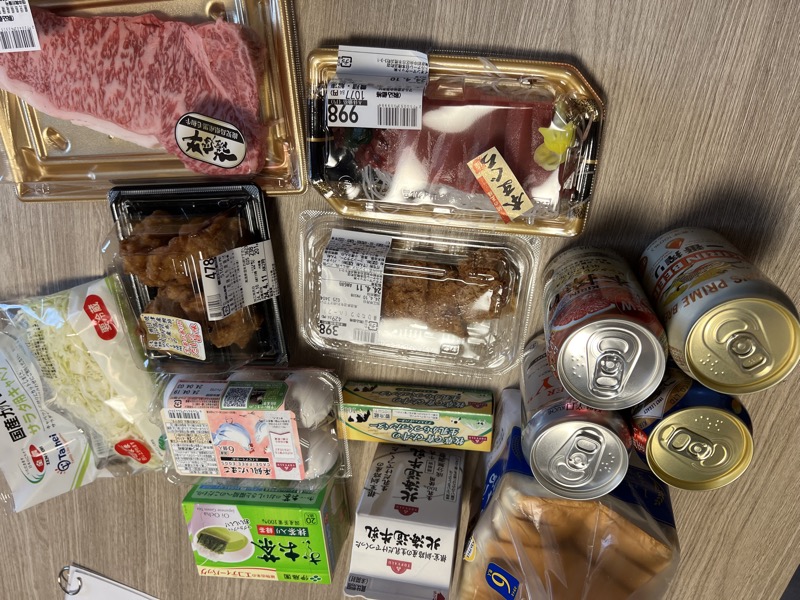
Every trip involves at least one late-night konbini run that turns into forty minutes of genuine deliberation. This is not a problem.
Health & Fitness
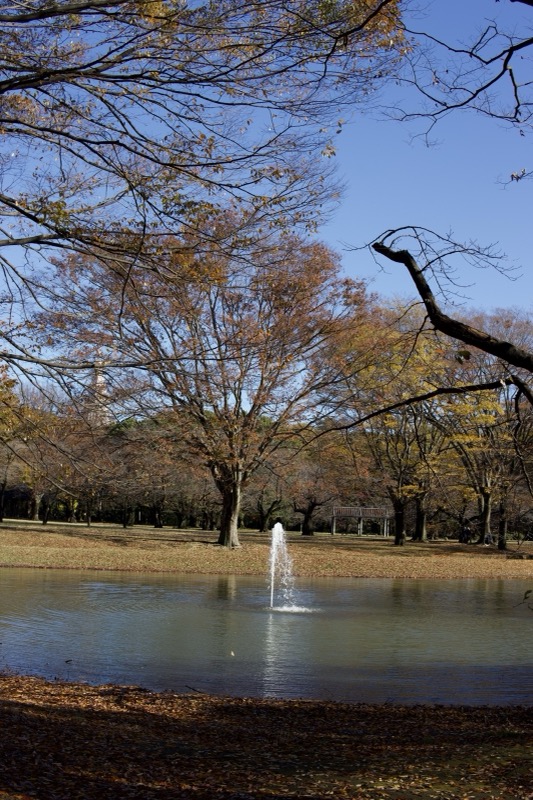
Japanese city parks are clean, quiet, and often beautiful. Running through them before breakfast is one of the better habits we've picked up.
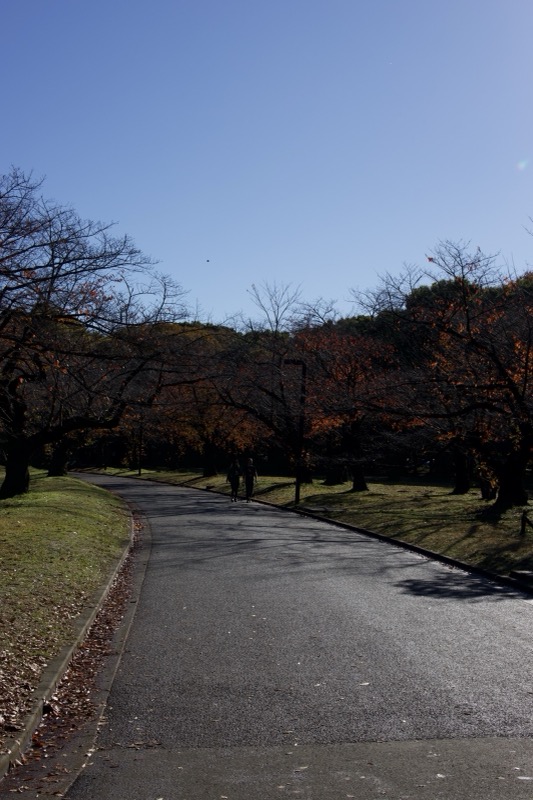
I don't exercise on holiday, I eat whatever I want, and I come back fine. Here's why Japan lets you get away with it.
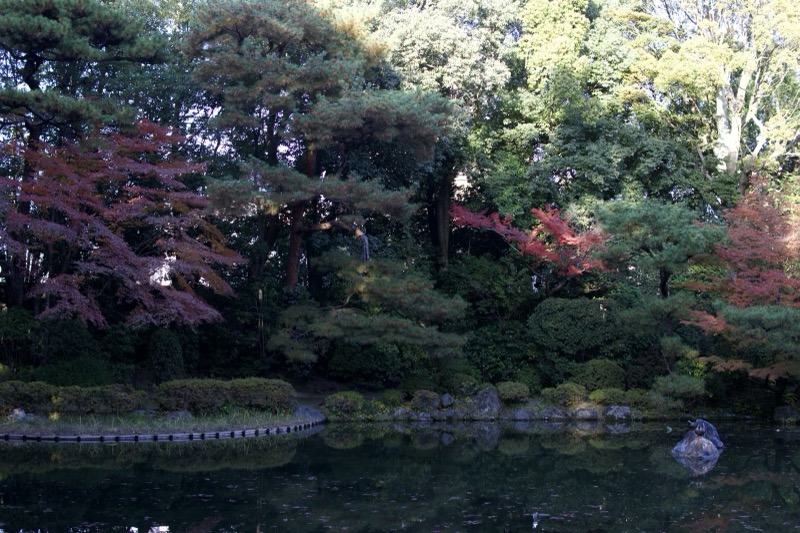
After a full day on your feet eating and sightseeing, a slow lap of a Japanese garden hits different. We figured this out by accident.