
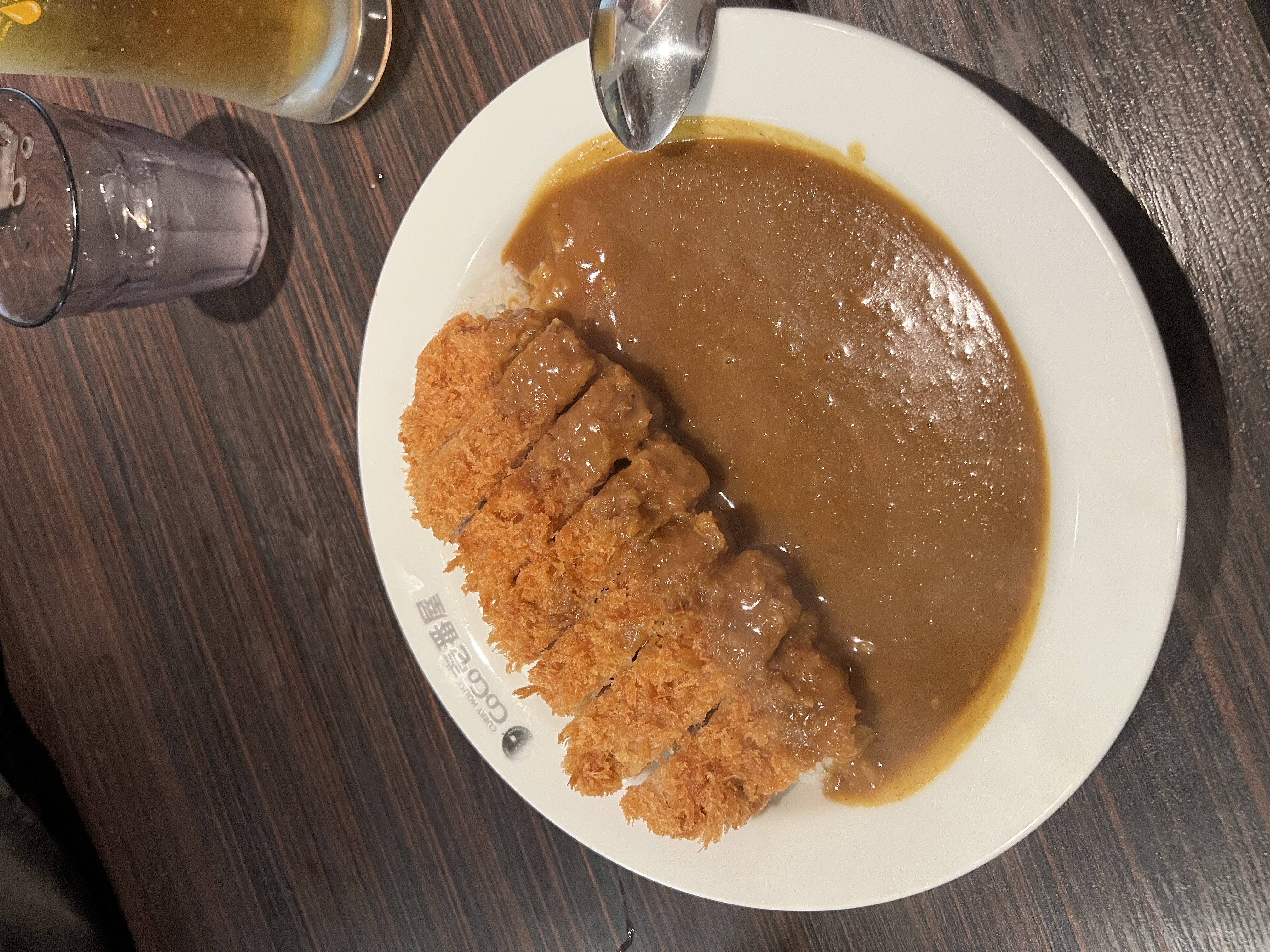
CoCo壱番屋 started right here in Aichi. We found the yellow sign on a cold night in Nagoya and went in. Katsu curry, large Kirin, no regrets.
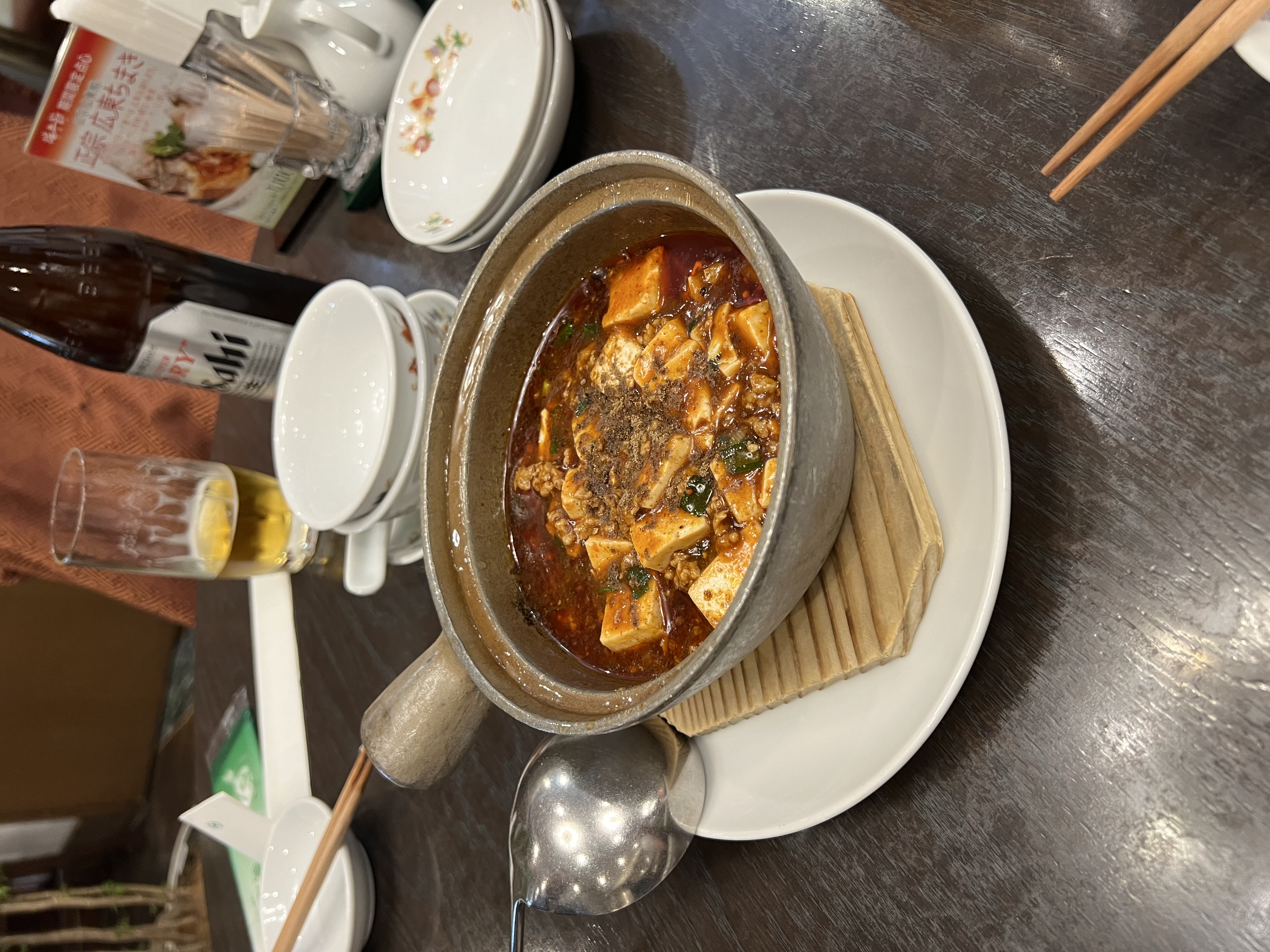
Saikoh Shinkan does Cantonese dim sum — roast duck, mapo tofu, sweet & sour pork — and it's one of the best arguments for what Japanese precision does to other cuisines.
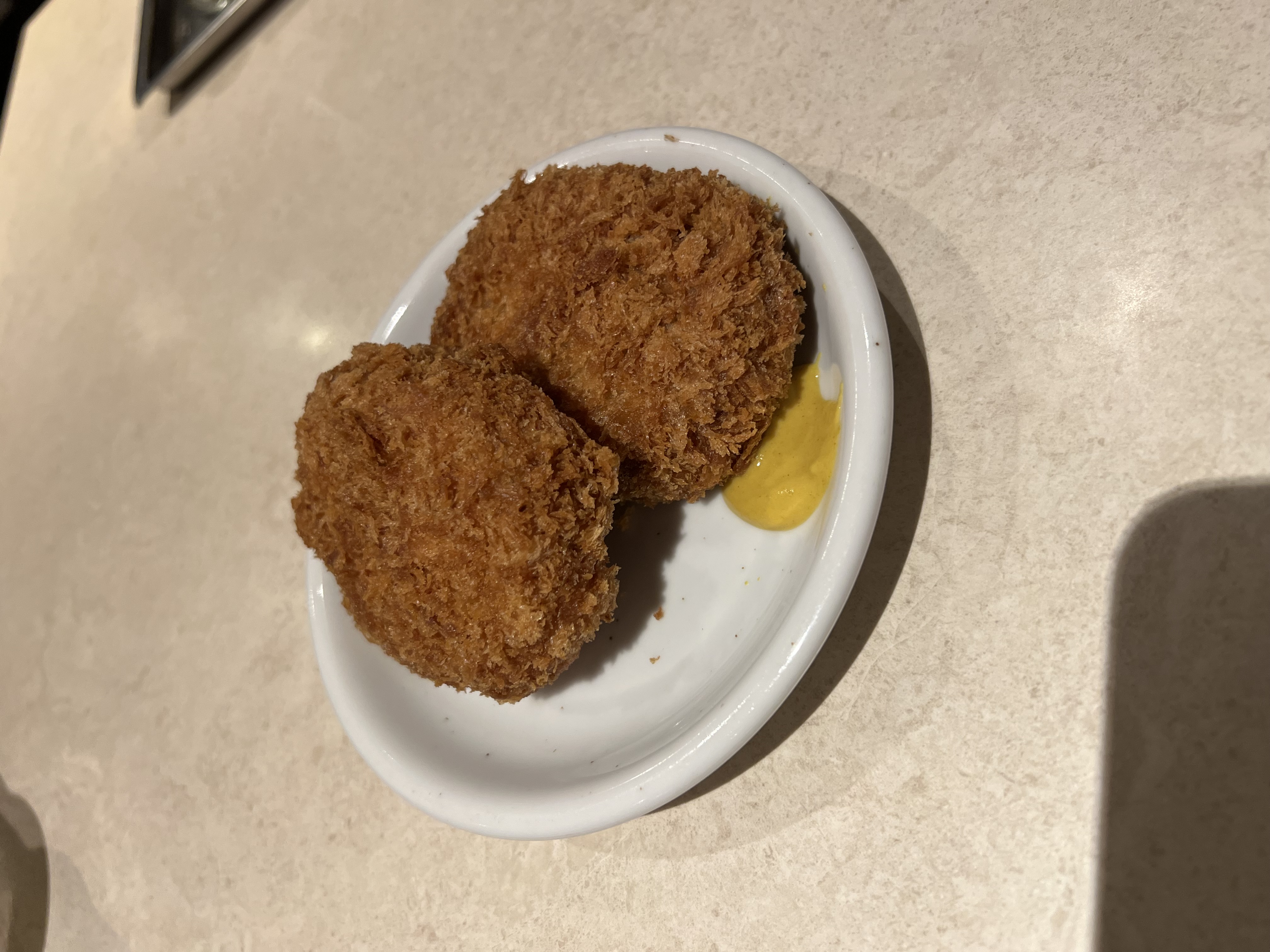
Wagyu menchi katsu, tare-glazed yakitori, cold Sapporo, and sake served in a masu box. We go every single trip.
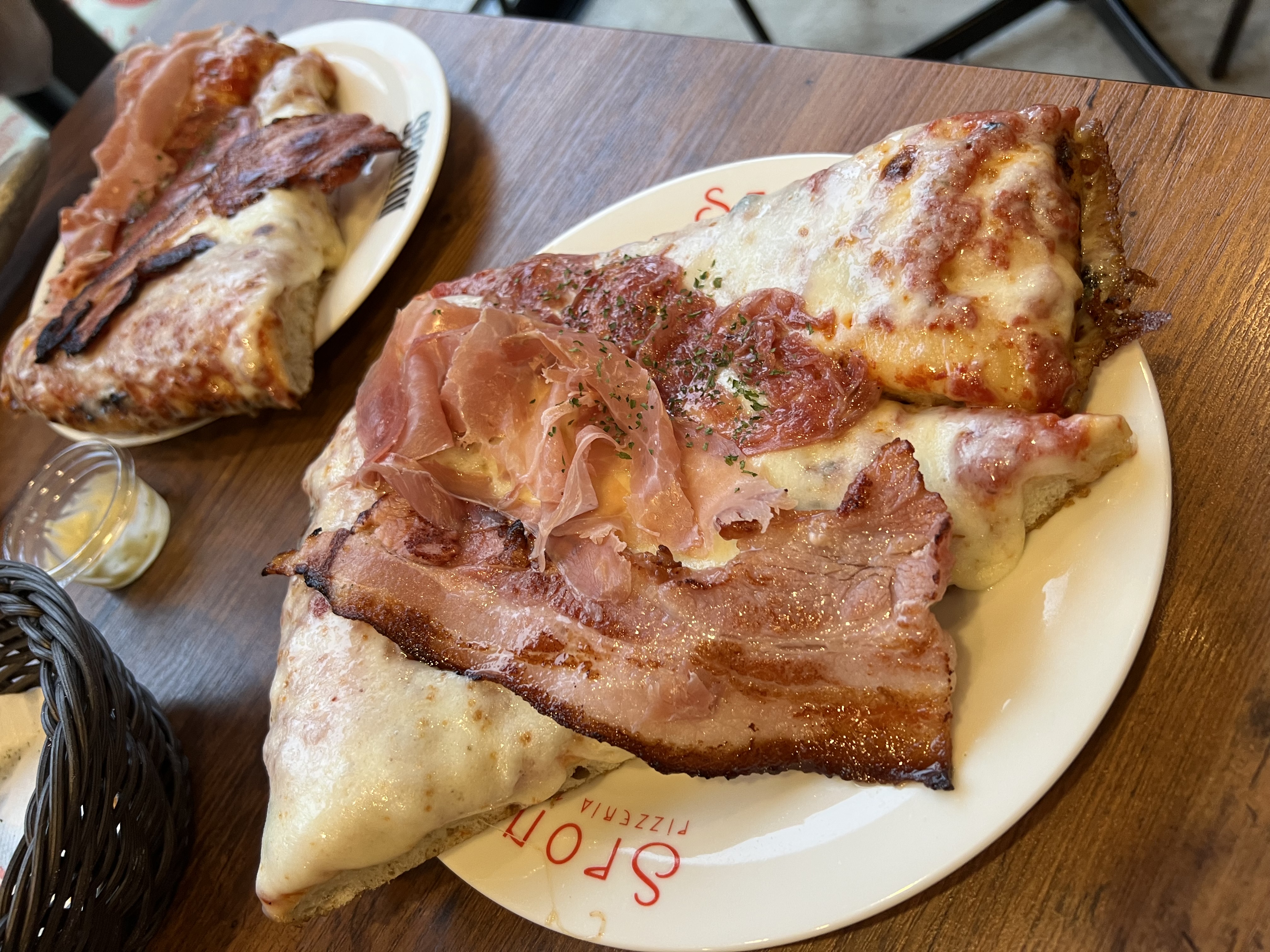
A Milanese institution since 1953. Thick base, loaded toppings, and somehow one of the best things we ate in Japan.
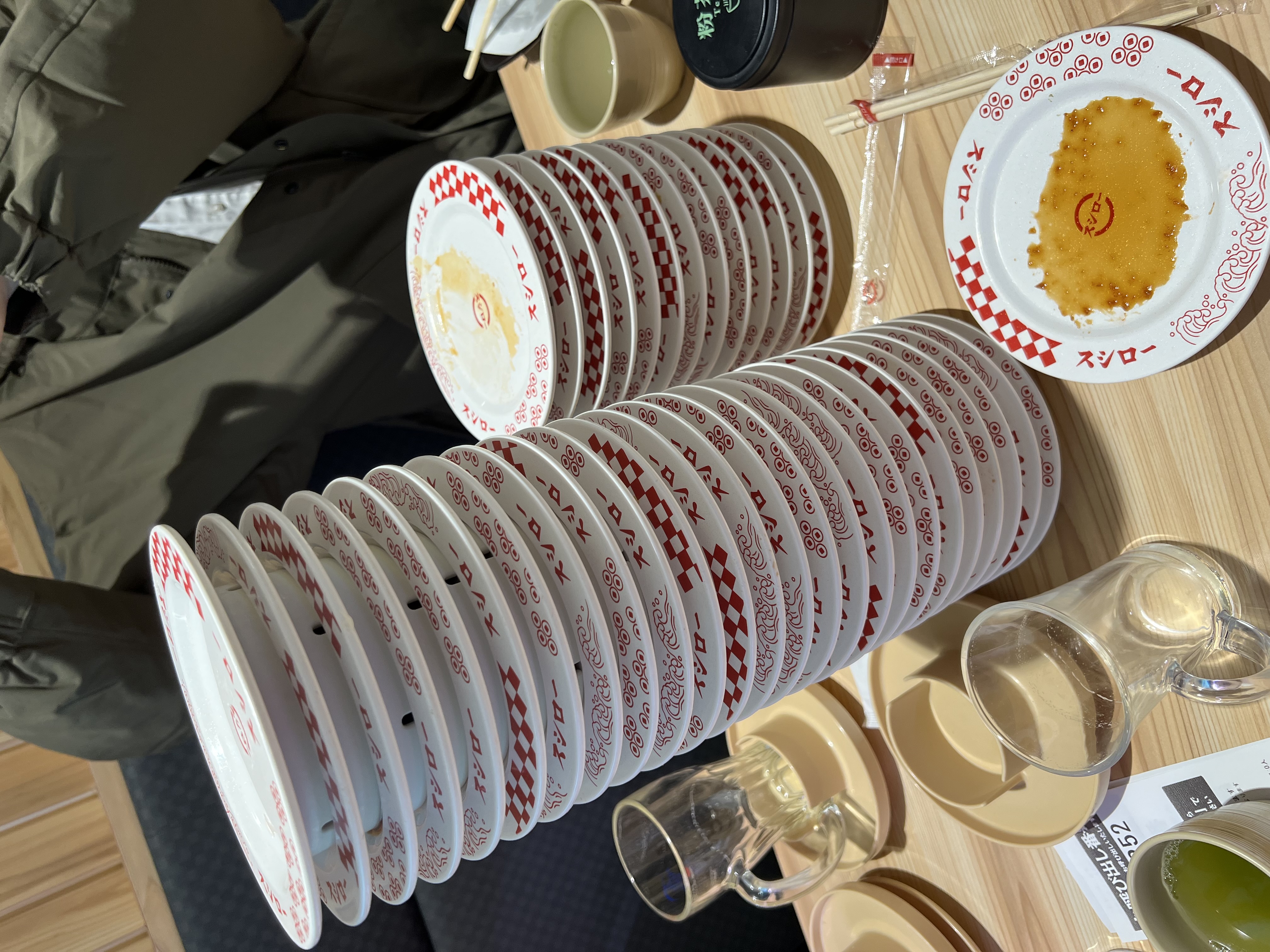
Kaiten sushi for the masses — and how we ended up with a plate tower that needed photographing before we could leave.
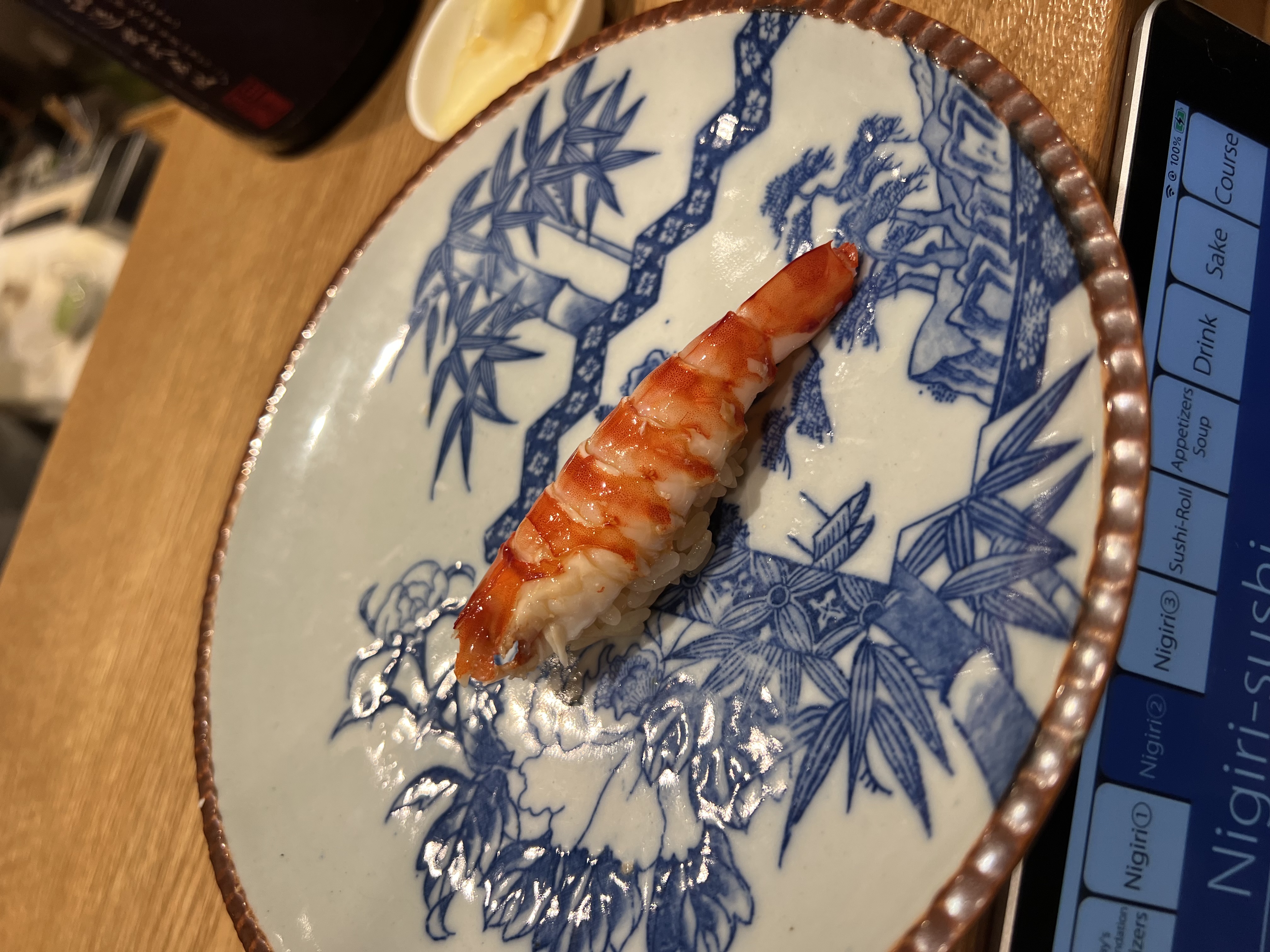
The middle ground between kaiten and full omakase. Beautiful ceramics, fresh-made pieces, and the best prawn we've eaten.
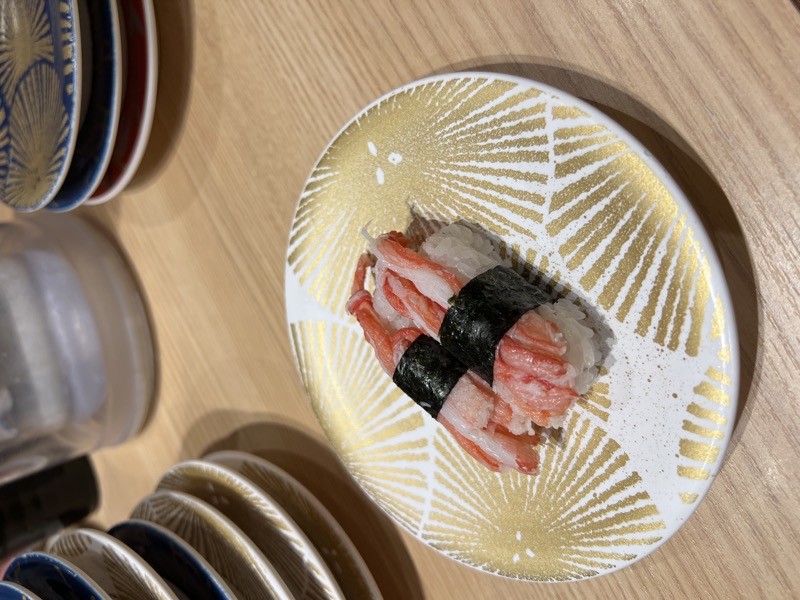
We knew it would be better. We didn't know how different it would actually be — starting with the temperature of the rice.
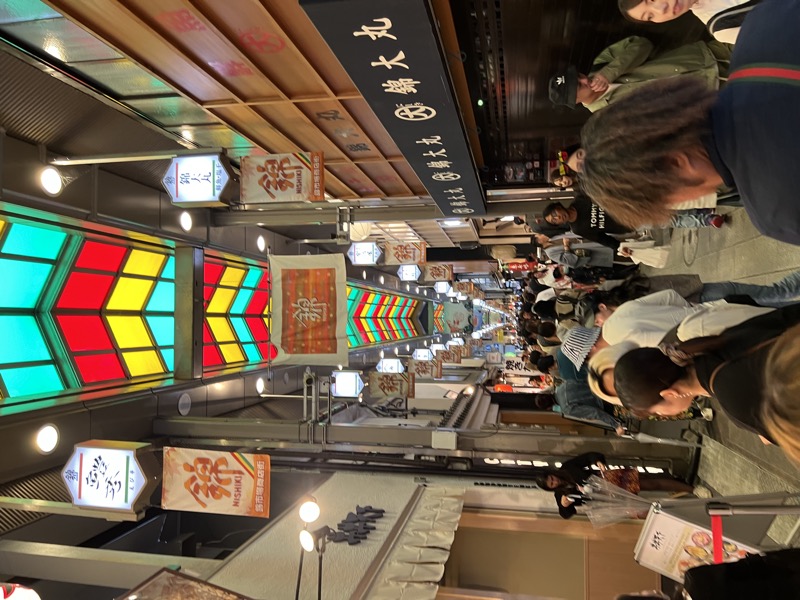
Four hundred metres of food stalls in a covered arcade that's been running since the 1600s. We ate the gyoza twice.
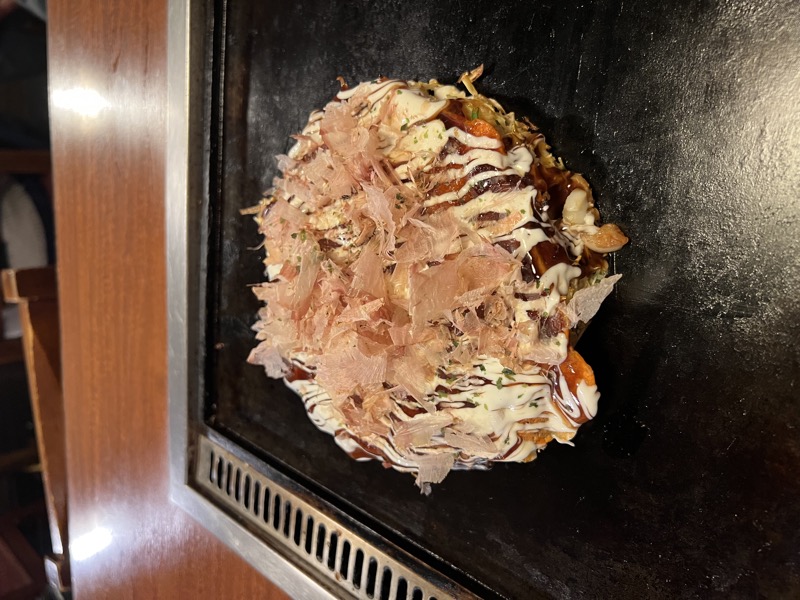
A savoury pancake is how people describe it. That description is technically accurate and completely inadequate.
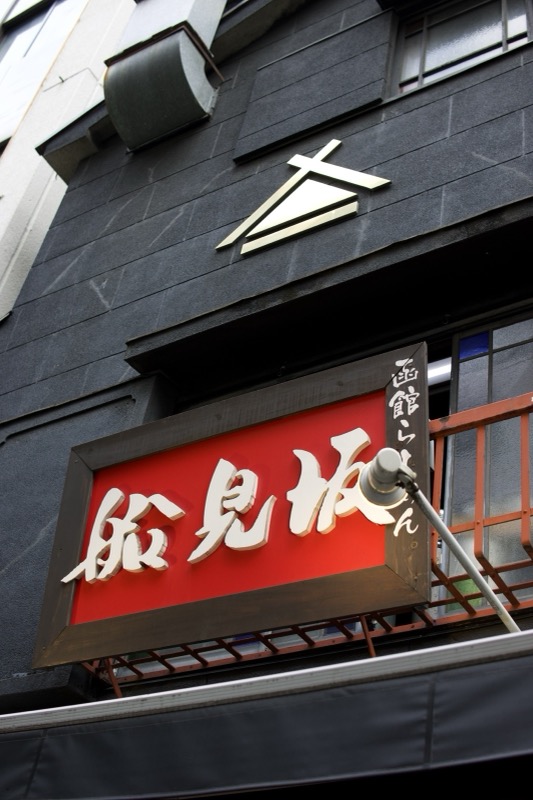
We have one simple heuristic for finding good ramen in a new city. It hasn't let us down yet.
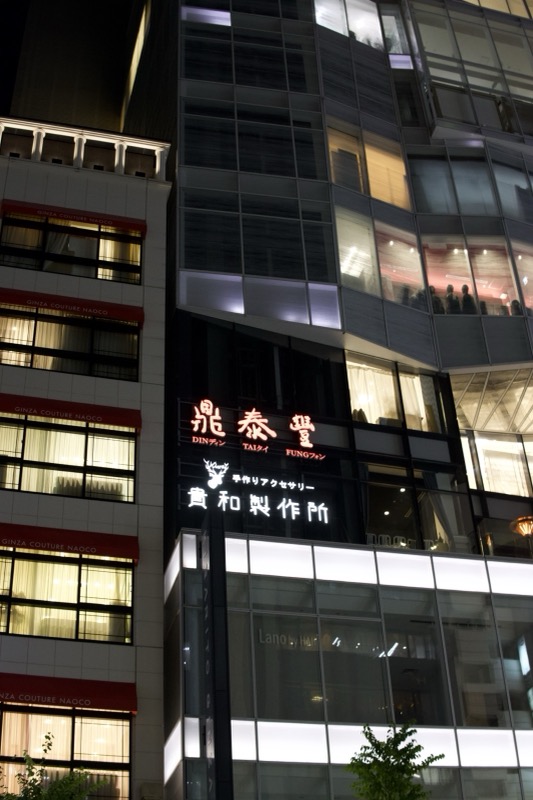
A Taiwanese chain, a Japanese queue, and the best soup dumplings we've eaten outside of Taipei.
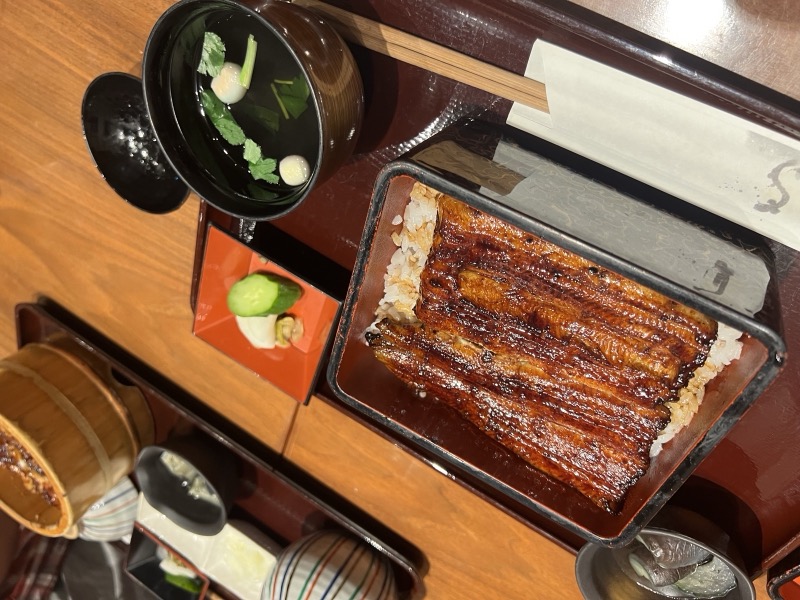
Grilled eel over rice sounds simple. At the right place in Tokyo, it's one of the best things you'll eat in Japan.
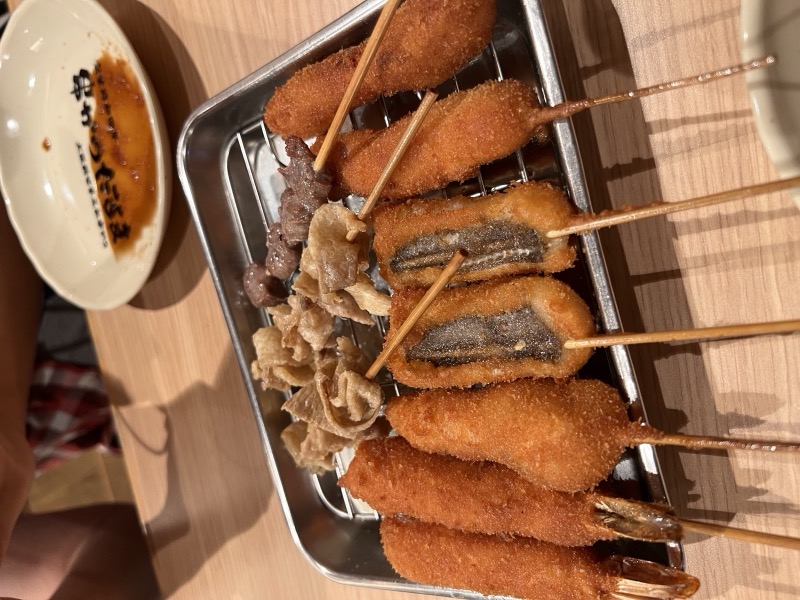
Osaka's signature dish — skewers of anything and everything, battered and fried — and the one golden rule you must never break.
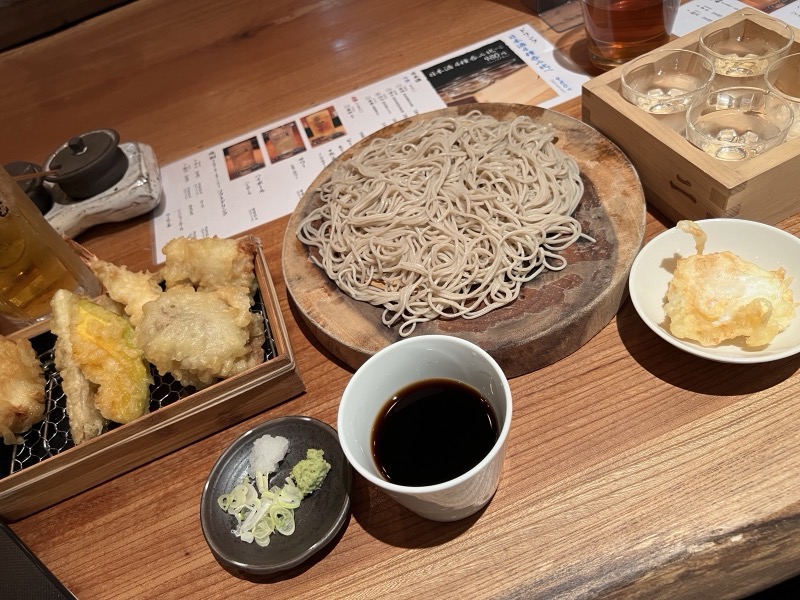
Kobe is famous for beef, but the soba we found on a back street might have been the better meal. Paired with sake, obviously.
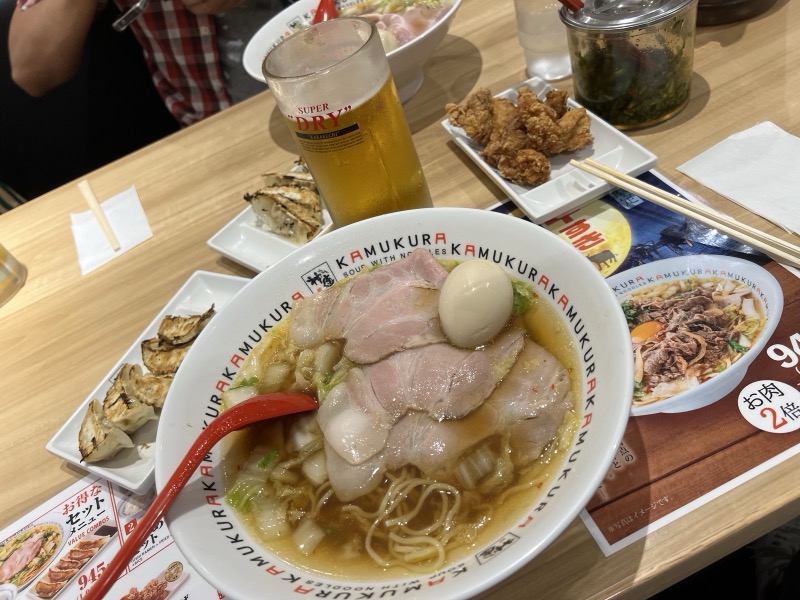
We have a rule about chain restaurants. Japan keeps making us break it. Kamukura was the most flagrant example.

There's a snobbery about conveyor belt sushi I held for too long. Then I ate at a good one in Tokyo and quietly dropped it.
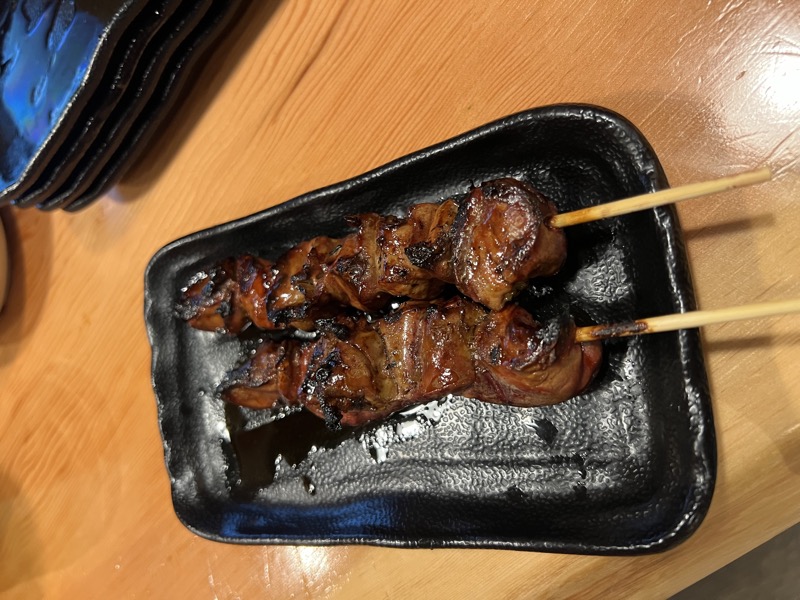
Back home a chicken skewer is an afterthought. In Japan it's a discipline. A good yakitori restaurant might do nothing else for forty years.
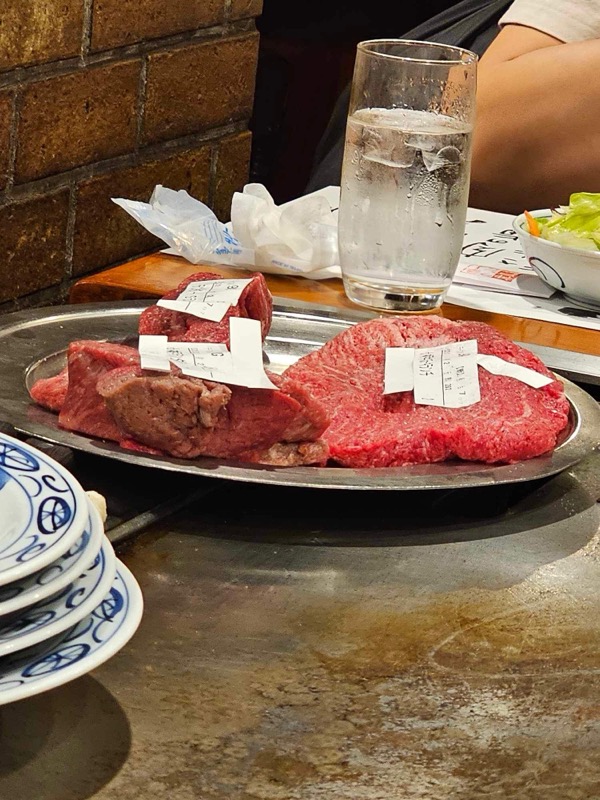
Yakiniku puts a grill in the table and lets you cook your own meat. It sounds like a gimmick. It isn't.
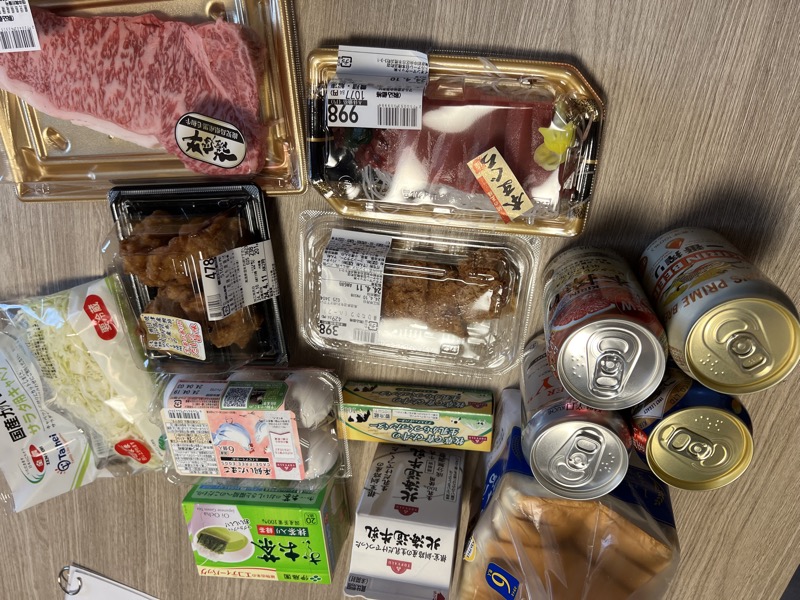
Every trip involves at least one late-night konbini run that turns into forty minutes of genuine deliberation. This is not a problem.